Schedule a Free Inspection & Quote!
TPO Roofing Explained: Installation, Lifespan, and How Long TPO Roofs Last
Your roof protects everything under it. When it fails, repairs are expensive and stressful. That is why many property owners start by asking a smart question: What is TPO roofing and why is it used on so many buildings today?
If you own a commercial property or a home with a flat roof, understanding what TPO roofing is helps you make better decisions about durability, cost, and energy savings.
TPO roofing is one of the most widely used flat roofing systems in Texas. It is durable, energy efficient, and designed for long-term performance in harsh climates. In this guide, we explain what TPO roofing is, how TPO roofing installation works, how long does TPO roofing last, and what impacts the full TPO roofing lifespan.
What Is TPO Roofing?
Let’s start with the foundation.
What is TPO roofing? TPO stands for Thermoplastic Polyolefin. It is a single-ply roofing membrane made from a blend of polypropylene and rubber compounds. The material is manufactured in wide sheets that roll out across flat or low-slope roofs.
Seams are heat welded instead of glued. This creates a tight, water-resistant bond that strengthens the entire roofing system.
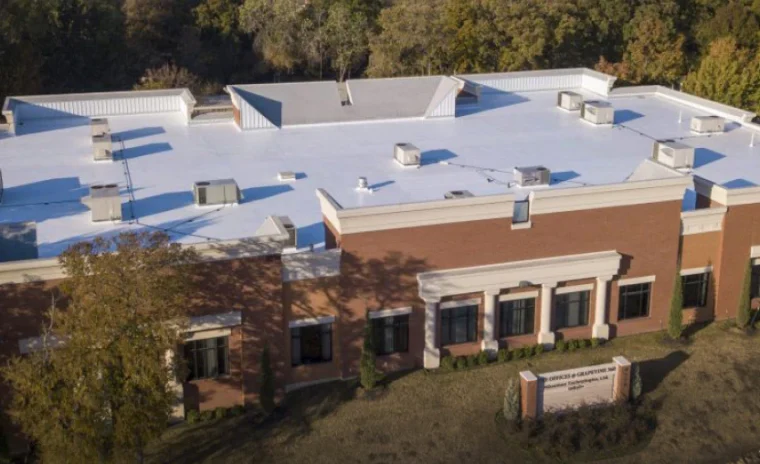
Most TPO membranes are white and reflective. Instead of absorbing sunlight, the surface reflects heat away from the building. This reduces indoor temperatures and helps lower energy bills.
Key Characteristics of TPO Roofs
- Single-layer membrane system
- Heat-welded seams for strength
- Flexible material that resists splitting
- Reflective surface that reduces heat absorption
- Resistant to UV rays, algae, and dirt buildup
- Designed for flat and low-slope structures
Common Applications
Because of these features, TPO is commonly installed on retail centers, warehouses, office buildings, medical facilities, restaurants, apartment buildings, and modern residential homes.
Why Property Owners Choose TPO Roofing
TPO offers a strong balance between performance and affordability. That balance is why it has become so popular.
Energy Savings
TPO reflects solar heat instead of trapping it. This helps keep buildings cooler during long Texas summers. Lower roof temperatures can reduce air conditioning costs, extend HVAC system life, and create more stable indoor comfort. For large commercial buildings, these savings add up year after year.
Strength Against Harsh Weather
TPO membranes are engineered to resist UV radiation, ozone exposure, punctures from debris, high winds, and chemical exposure. This makes them a practical option for urban buildings and industrial facilities.
Flexibility During Temperature Changes
Roofing materials expand and contract as temperatures rise and fall. TPO membranes flex with the structure, reducing stress that can lead to cracks and leaks.
Budget-Friendly Installation
Compared to many other commercial systems, TPO roof installation is more affordable while still delivering long service life. Material costs are reasonable, and installation is efficient.
How TPO Roofing Installation Works
Proper TPO roofing installation plays a major role in long-term performance. Even high-quality materials can fail if installed incorrectly. Here is how the process works.
Step 1. Roof Inspection and Preparation
The existing roof is evaluated to determine whether it should be removed or covered. Damaged insulation or wet materials must be replaced before new roofing is installed. The surface must be clean, dry, and structurally sound.
Step 2. Insulation Layer Installation
Rigid insulation boards are installed to improve energy efficiency and create a smooth base. Insulation also helps provide proper drainage by creating a slight slope.
Step 3. Rolling Out the TPO Membrane
Large sheets of TPO membrane are rolled across the roof. Fewer seams reduce leak risks and improve system strength.
Step 4. Securing the Membrane
There are three main attachment methods:
- Mechanically Attached Systems — Fasteners secure the membrane to the structure. This method is efficient and cost-effective.
- Fully Adhered Systems — Special adhesives bond the membrane directly to insulation, providing a smooth appearance and strong wind resistance.
- Ballasted Systems — Stone or pavers hold the membrane in place. Less common today due to structural weight limits.
Step 5. Heat-Welded Seams
Seams are fused using hot air welding equipment. The heat bonds sheets together into one continuous waterproof surface. These welded seams are often stronger than the membrane itself.
Step 6. Flashing and Edge Details
Roof penetrations, HVAC units, vents, and edges are sealed with reinforced flashing materials to prevent water intrusion.
How Long Does TPO Roofing Last?
Property owners often ask how long does TPO roofing last compared to other systems. On average, the TPO roofing lifespan ranges from 15 to 30 years. Actual longevity depends on several factors, including installation quality, climate conditions, maintenance frequency, and membrane thickness.
Factors That Affect TPO Roofing Lifespan
Installation Quality
Poor installation is the leading cause of early roof failure. Improper seam welding, weak flashing, or bad drainage design can shorten roof life. Professional TPO roofing installation ensures seams are watertight and materials are properly secured.
Climate and Weather Exposure
Roofs in areas with intense heat, hailstorms, or strong winds experience more stress. TPO performs well in Texas heat due to its reflective surface, but routine inspections remain important.
Roof Traffic
Commercial roofs often support HVAC technicians and maintenance crews. Frequent foot traffic can cause punctures or seam stress. Protective walkway pads can reduce damage.
Maintenance Routine
Routine inspections help catch small issues before they become expensive problems. Clearing debris and ensuring proper drainage also extends the TPO roofing lifespan.
Membrane Thickness
TPO membranes come in three standard thicknesses:
- 45 mil — entry-level, suitable for low-traffic applications
- 60 mil — the most common commercial choice, balanced performance
- 80 mil — maximum durability, best for high-traffic or extreme climates
Thicker membranes resist punctures better, provide stronger seam bonds, handle weather stress more effectively, and typically last longer.
Benefits of TPO Roofing Systems
Reflective Energy Efficiency
White membranes reflect UV rays and reduce rooftop temperatures, helping lower cooling expenses and improving building efficiency.
Strong Leak Protection
Heat-welded seams form a continuous barrier that resists moisture intrusion.
Chemical and Grease Resistance
TPO performs well in environments exposed to industrial pollutants or restaurant exhaust systems.
Flexible Performance
TPO adapts to building movement and temperature changes without cracking.
Environmentally Friendly
TPO membranes are recyclable and support energy-saving building design.
TPO Roofing vs Other Flat Roofing Options
TPO vs EPDM
TPO Advantages: Reflects heat, heat-welded seams, cleaner appearance.
EPDM Advantages: Proven long-term performance, strong cold-weather flexibility.
TPO vs PVC
TPO Advantages: Lower material cost, strong energy efficiency, flexible installation options.
PVC Advantages: Higher chemical resistance, durable in grease-heavy environments.
TPO vs Modified Bitumen
TPO Advantages: Lighter weight, faster installation, reflective surface.
Modified Bitumen Advantages: Excellent puncture resistance, handles heavy foot traffic well.
Maintenance Tips to Maximize TPO Roofing Lifespan
Routine care extends roof performance and helps prevent costly damage.
Schedule Regular Inspections
Professional inspections should occur at least twice per year and after major storms.
Keep the Roof Clean
Remove debris that can trap moisture or block drainage systems.
Address Repairs Quickly
Small punctures or seam separations can expand if ignored.
Limit Foot Traffic
Unnecessary traffic increases wear. Use designated walk paths when possible.
Maintain Proper Drainage
Standing water stresses roofing materials and increases leak risks.
Signs Your TPO Roof Needs Repair or Replacement
Watch for warning signals that indicate trouble:
- Water stains on ceilings
- Bubbling or wrinkles in membrane
- Visible punctures or tears
- Loose flashing around roof edges
- Higher energy bills
- Standing water after rain
If you notice these issues, prompt service helps prevent structural damage.
Is TPO Roofing Right for Your Property?
TPO is ideal for:
- Commercial buildings
- Flat or low-slope roofs
- Large surface areas
- Hot climates
- Owners seeking energy efficiency
- Budget-conscious property managers
It may not be ideal for steep-slope roofs or buildings requiring heavy-duty industrial resistance beyond membrane capabilities.
Conclusion
Choosing the right roofing system starts with understanding the basics. When property owners ask what TPO roofing is, they usually want durability, efficiency, and value. TPO delivers all three when installed correctly and maintained regularly.
Knowing what TPO roofing is also helps you understand performance expectations, maintenance needs, and how long does TPO roofing last in Texas conditions. With proper care, the full TPO roofing lifespan can protect your building for decades.